Entry · Ref HSOULHDT
Caribbean Food Centennial Delights for Modern Kitchens
- Posted
- 2026-11-19
- Last amended
- 2026-11-19
- Account
- @rivervyaf265
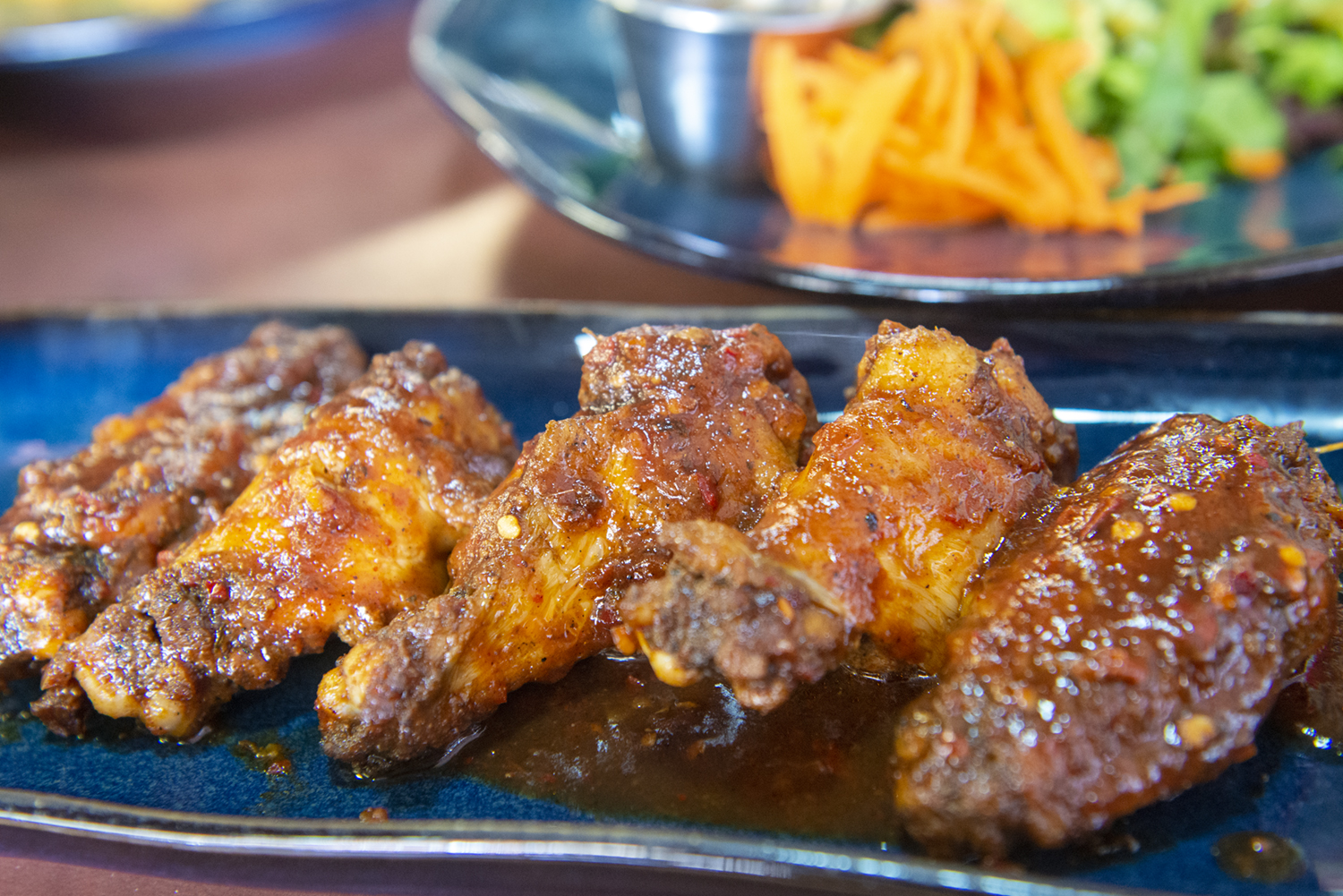
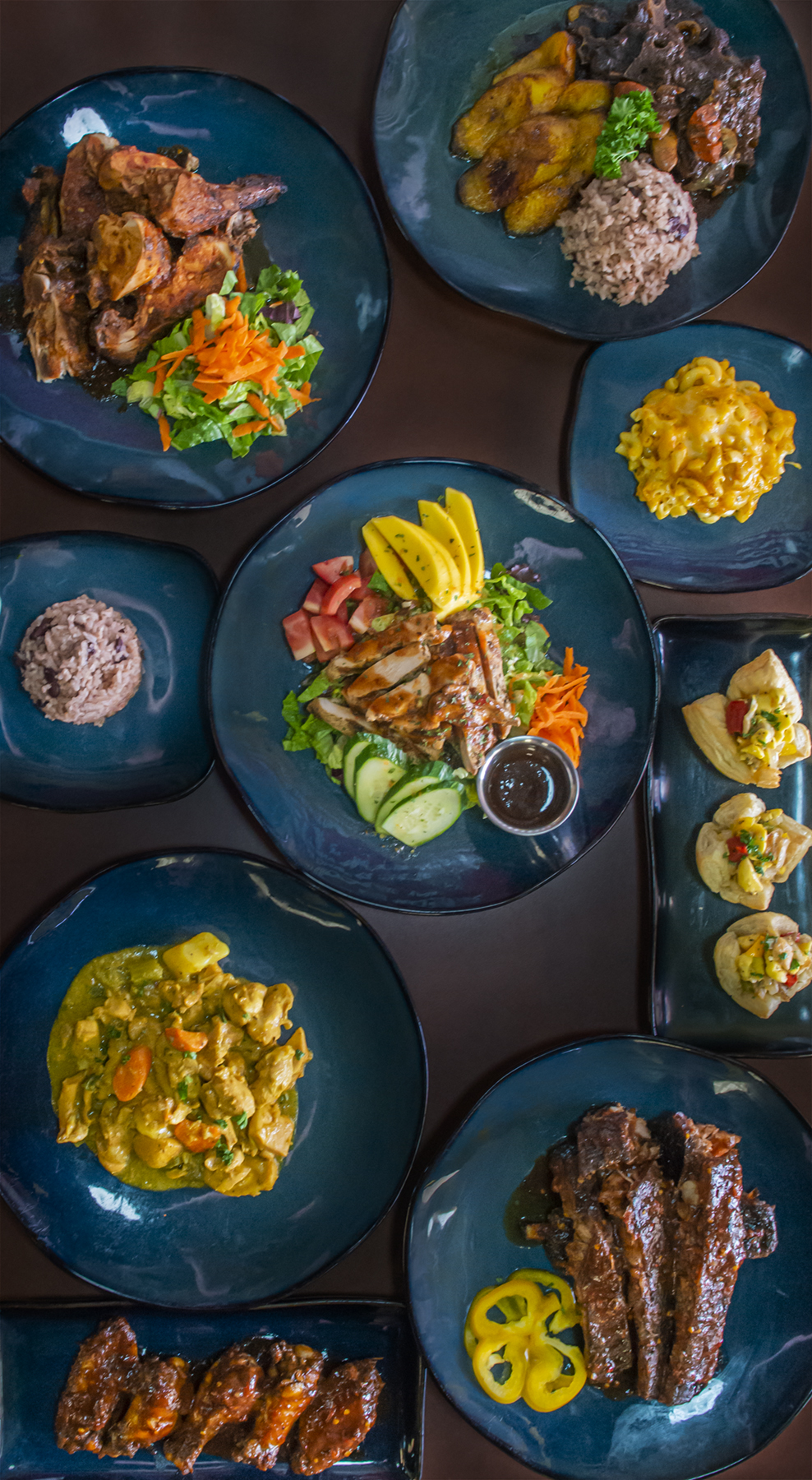

There is something fitting about bringing Caribbean food into a centennial celebration. Milestone years ask for dishes with memory, color, and a sense of occasion. Caribbean cooking delivers all three. It has the generosity of family-style meals, the brightness of fresh herbs and citrus, and the layered depth that comes from time, migration, and adaptation. For a modern kitchen, that combination is especially appealing. You can honor long culinary traditions without feeling trapped by them.
When people hear "Caribbean food," they often picture a single style, usually jerk chicken or a plate of rice and peas. That barely scratches the surface. The Caribbean is a region shaped by African, Indigenous, European, Indian, Chinese, and Middle Eastern influences, all filtered through island climates and local ingredients. The result is not one cuisine but many related foodways, each with its own methods, signatures, and celebrations. A thoughtful caribbean food centennial menu can draw from this richness and still feel coherent at the table.
Centennial cooking also benefits from one of the region's great strengths, balance. Caribbean meals know how to contrast fire with coolness, richness with acidity, and slow-cooked depth with crisp freshness. That matters in a modern home kitchen, where diners tend to appreciate food that feels abundant but not heavy. A platter of jerk-spiced salmon beside a mango slaw, or a pan of coconut braised chickpeas with roasted plantains, looks festive and eats clean. It feels special without becoming fussy.
Why Caribbean flavors suit milestone cooking
A centennial gathering usually brings together several generations, and that changes how you cook. You need dishes that are familiar enough to invite everyone in, but interesting enough to mark the occasion. Caribbean food handles that better than most cuisines because it moves comfortably between comfort and celebration.
Take rice, for example. Across the Caribbean, rice is never just filler. It carries coconut milk, pigeon peas, thyme, scallions, Scotch bonnet, allspice, and stock. A simple pot can anchor a feast. The same is true of stewed beans, fried ripe plantains, roast fish, curried vegetables, or a well-made soup. These are foods with presence. They hold up on a buffet, improve when they sit for a little while, and welcome variation depending on budget, skill level, and ingredient access.
That flexibility is what makes the caribbean food centennial idea so useful in modern kitchens. You do not need a wood fire pit, a massive stockpot, or a backyard built for roasting whole animals. What you do need is a clear understanding of flavor structure. Most successful Caribbean dishes rely on a few principles rather than complicated tricks: build a marinade or seasoning base with aromatics, toast or bloom spices when appropriate, use acid deliberately, and let time do part of the work.
I learned this years ago while helping prepare food for a family anniversary party where the guest list ballooned from twenty-five to almost sixty. The original plan was a grill-heavy menu. Then the weather shifted, and so did the strategy. We moved much of the cooking indoors, braised chicken in batches, baked fish with citrus and herbs, made a huge pan of callaloo, and held the line with rice, beans, and plantains. The food felt no less celebratory because it came from ovens and stovetops instead of open flame. If anything, the flavors were more consistent.
The backbone of flavor in a modern kitchen
Good Caribbean cooking starts before the heat goes on. Seasoning is not a last-minute flourish. It is the architecture of the dish. Onion, garlic, ginger, scallion, thyme, citrus juice, hot pepper, and allspice appear often, but they are not interchangeable and they are not always used together. Understanding which notes you want to lead makes all the difference.
For jerk-style preparations, the flavor profile is usually driven by allspice, thyme, scallion, garlic, and Scotch bonnet or a similar chile. Cinnamon or nutmeg may appear in small amounts, but they should support rather than dominate. In a home kitchen, I often recommend making a wet paste in a blender, then rubbing it onto chicken, tofu, mushrooms, pork, or even cauliflower steaks several caribbean food centennial hours ahead. Overnight is better. The point is not simply heat. The point is penetration.
For Trinidadian-inspired curry dishes, the logic changes. Here, toasting or frying curry powder with onion, garlic, and sometimes cumin or geera creates a darker, nuttier base. If you skip that step and just shake curry into liquid, the dish tastes flat. Coconut milk can mellow the spices, but it should not erase them. A good curry should still have edge.
Citrus deserves special care. Lime and sour orange show up in many Caribbean kitchens, but their role is often misunderstood. Acid can tenderize to a point, but too much for too long can turn delicate proteins chalky. Fish and shrimp need shorter marination than chicken or pork. For a centennial dinner, this matters because large-batch cooking leaves less room for rescue. Better to marinate fish for thirty minutes to an hour, then finish with fresh citrus after cooking, than to let it soak all afternoon.
Sweetness also plays a more disciplined role than some people expect. It is common to pair savory meats with ripe plantains, caramelized onions, or fruit chutneys, but these should sharpen contrast, not create dessert-like food. A pineapple glaze can be excellent on grilled chicken if the sugar is restrained and the acidity remains intact. The same goes for sauces built with guava, tamarind, or mango.
Centennial-worthy dishes that scale gracefully
Some foods taste wonderful for two but become difficult or dull in quantity. Caribbean cooking has many dishes that do the opposite. They become more persuasive when cooked in larger pans and served communally.
Rice and peas is an obvious example, though the phrase means different things depending on where you are. In Jamaica, it typically refers to rice cooked with kidney beans or gungo peas in coconut milk, thyme, scallion, and allspice. The texture should be separate but not dry, fragrant but not perfumed. This is not the place for mushy rice or sugary coconut. Get the liquid ratio right, rest the rice after cooking, and fluff gently.
Braised chicken is another centennial workhorse. Brown stew chicken, especially, is made for modern entertaining because it can be seasoned ahead, browned in batches, and then simmered until glossy and tender. The sauce develops even more character if it sits for an hour off heat and is rewarmed. For hosts, that is invaluable. It reduces the tyranny of last-minute cooking.
Plantains are often underestimated until they hit the table and vanish first. Ripe plantains fried in shallow oil give sweetness and texture with very little effort. If frying for a crowd feels impractical, brush them lightly with oil Reggae Pot Jamaican Grill caribbean food centennial and roast on hot sheet pans. You lose a little of the classic edge-to-center contrast, but gain convenience and cleanliness. For many home cooks, that trade-off is sensible.
Callaloo, whether made in a Trinidadian style with dasheen leaves or adapted with spinach and other greens where specialty ingredients are hard to find, offers the kind of soft, mineral, savory depth that rounds out a feast. It is one of those dishes that teaches restraint. Too much coconut milk and it turns slack. Too little seasoning and it tastes merely green. But when balanced properly, it brings calm richness to a bold table.
Then there are patties, accras, fritters, and bakes. These are tempting for celebratory menus because they feel festive and handheld. The catch is labor. Anything individually shaped and fried asks for time, attention, and hot oil management. If you are feeding a large group in a standard kitchen, choose one labor-intensive appetizer at most, then let your mains and sides carry the event.
The pantry that makes the difference
You do not need an entire specialty store to cook Caribbean food well at home, but a few ingredients change the game. Quality matters more than quantity, especially with spices.
- allspice, whole or freshly ground
- thyme, ideally fresh
- scallions, garlic, and ginger
- Scotch bonnet peppers or a close substitute used carefully
- coconut milk, preferably unsweetened and full-fat
That short list alone opens the door to a surprising range of dishes. Add rice, dried or canned beans, onions, citrus, and a neutral cooking oil, and you can produce meals with real character. If you can find pigeon peas, cassava, breadfruit, sorrel, or callaloo leaves, excellent. If not, good judgment matters more than rigid authenticity theater.
I have seen home cooks spend heavily on obscure ingredients and still miss the mark because they treated seasoning as decoration. I have also eaten deeply satisfying Caribbean meals built from supermarket basics because the cook understood heat, salt, timing, and balance. A modern kitchen rewards that kind of competence.
Adapting tradition without flattening it
This is where many well-intentioned cooks stumble. They want to "lighten up" or "update" Caribbean dishes, but end up stripping out the very qualities that make them memorable. The better approach is not to remove identity, but to shift technique.
If you want less oil, roast instead of fry where it makes sense. Roast plantains, roast spiced sweet potatoes, roast marinated chicken thighs on a rack so the fat renders away. If you want more vegetables, build them into the meal in a way that respects the flavor profile. A cabbage slaw with lime, scallion, and a touch of Scotch bonnet belongs naturally beside jerk-spiced protein. So does roasted okra with garlic and thyme.
Protein swaps can also work beautifully if handled with care. Salmon takes jerk seasoning well because its fat stands up to heat and spice. Cauliflower can work too, but it needs enough oil and high enough heat to brown properly. Tofu requires pressing, assertive marination, and ideally either broiling or pan-searing to avoid a soft, one-note result. Chickpeas do well in curry applications where they can absorb sauce.
What does not work is dilution. A jerk marinade timidly made with a pinch of allspice and no chile is not a crowd-pleasing compromise, it is simply underseasoned. If you are cooking for guests with lower heat tolerance, reduce the hot pepper in the base and offer a pepper sauce on the side. That preserves the dish's structure while giving people control.
Building a centennial menu with flow
A good celebratory meal should move. It should not feel like a collection of favorites fighting for attention. Caribbean flavors are bold, which means menu design matters even more. You want repetition in the right places, not everywhere. If your main dish is heavily spiced and smoky, make your sides cleaner. If your rice is rich with coconut, let a vegetable dish carry bitterness or acid. If dessert is sweet and dense, keep the preceding course from becoming too starchy.
For many hosts, the best route is one commanding main, one secondary protein or hearty vegetable option, a rice dish, a vegetable dish, and something sweet-tart and fresh on the side. That framework supports variety without chaos. It also helps with logistics. You can season proteins the day before, prepare sauces and slaws ahead, and cook rice close to service.
Here is a practical combination that works in real kitchens and on real schedules:
- brown stew chicken or jerk salmon as the anchor
- coconut rice with peas
- roasted plantains
- limey cabbage slaw or callaloo
- rum cake or coconut tart with fruit
That menu looks celebratory, covers a wide range of tastes, and can be executed without restaurant equipment. It also gives you control over texture. The stew or salmon provides depth, the rice comfort, the plantains sweetness, the slaw or greens freshness, and the dessert a proper finish.
Heat management and the truth about Scotch bonnet
No conversation about Caribbean food is complete without addressing chile heat. Scotch bonnet peppers are central to many dishes, but they are often either overused by thrill-seekers or feared into irrelevance by cautious cooks. Neither approach serves the food.
Scotch bonnet is not just hot. It is fruity, floral, and distinctive. If you can tolerate some spice, it is worth using in measured amounts rather than replacing it entirely with a generic chile. For gentler heat, pierce the pepper and simmer it whole in a pot of rice or stew, then remove before serving. You get aroma and flavor without saturating the dish with fire. If you mince it into a marinade, remember that seeds and membranes carry much of the punch. A small amount goes far.
For large gatherings, always separate baseline seasoning from table heat. Make the core dishes balanced and lively, then offer pepper sauce, sliced fresh chiles, or spicy condiments alongside. That is not a compromise. It is smart hospitality.
Dessert, drinks, and the centennial mood
Dessert is often where a celebration becomes memorable, and Caribbean sweets are particularly good at feeling festive without requiring plated precision. Rum cake, black cake, coconut drops, sweet potato pudding, and guava pastries all have strong personalities. They hold well, travel well, and pair naturally with coffee, tea, or a small pour of something aged.
For a centennial event, black cake has special gravity if you want something with ceremonial presence. It carries spice, dried fruit, and often rum or wine-soaked richness that signals occasion immediately. It is not subtle, and it should not be. The only caveat is that it can dominate if served in large slices after a heavy meal. Keep portions modest.
If you prefer something lighter, a coconut tart or a citrus-forward cake makes sense, especially after spicy mains. Fresh pineapple, mango, or passion fruit can also do quiet work here. A bowl of chilled fruit with a squeeze of lime and a whisper of salt can refresh the palate more effectively than an overly ornate dessert.
Drinks deserve the same discipline. Sorrel, ginger beer, rum punch, and fresh juices all belong in the conversation, but sweetness should be watched. Many celebratory drinks drift into syrup territory when made for crowds. Keep acid high enough to preserve definition, especially if the food itself includes rich or caramelized elements.
Common mistakes that flatten Caribbean food
The first mistake is rushing the seasoning. If a dish tastes one-dimensional, it is often because the marinade had no time to work or the aromatics were not cooked properly. Browning onions, blooming curry, or resting marinated meat is not busywork. It is where much of the flavor is built.
The second is treating every dish as spicy by default. Caribbean food can be hot, but its best versions are balanced, not punishing. Heat should sharpen flavor, not obscure it.
The third is overloading the menu. A table full of intensely seasoned meats, rich starches, and sweet drinks sounds fun until everyone feels exhausted halfway through the meal. Restraint creates more pleasure than excess.
The fourth is ignoring texture. Soft stews need crisp or fresh counterpoints. Tender rice likes the contrast of slaw or fried elements. Even a bowl of soup benefits from a squeeze of lime or a crunchy accompaniment. Good Caribbean cooking often succeeds because it understands this instinctively.
Bringing heritage into present-day cooking
What makes Caribbean food so powerful for a centennial setting is not just flavor. It is the way the food carries story. Many of the region's defining dishes were born from adaptation, scarcity, celebration, migration, and ingenuity. They were shaped by people making meaning from what they had. That spirit translates beautifully into modern kitchens.
Maybe your version of a centennial meal includes traditional brown stew chicken made exactly as your elders taught it. Maybe it includes jerk cauliflower for vegetarian guests, or a sheet-pan adaptation because your apartment kitchen cannot manage six burners at once. That is not a failure of authenticity. It is how living cuisines survive. The test is whether the food still tastes considered, rooted, and satisfying.
A well-planned caribbean food centennial spread does more than feed people. It signals generosity. It invites conversation across age groups. It makes room for memory while staying practical enough for contemporary life. And in a time when many celebratory meals lean toward either trendiness or nostalgia, Caribbean cooking offers a rare middle ground. It can be vivid, grounded, elegant, and joyful all at once.
For the home cook, that is the real opportunity. You are not trying to imitate a resort buffet or stage a museum piece. You are building a meal with depth, rhythm, and presence. A meal that fills the house with thyme, citrus, and spice. A meal that looks beautiful on platters, holds up under the realities of service, and tastes like it belongs to a real celebration. That is exactly what a centennial table deserves.
Reggae Pot Jamaican Grill
Address: 7562 S University Blvd Unit C, Centennial, CO 80122
Phone: (303) 997-5623
FAQ About caribbean food centennial
What Jamaican dishes can I try in Centennial?
Reggae Pot Jamaican Grill serves Jamaican specialties such as jerk chicken, stewed oxtail, curry goat, and ackee and saltfish. Check the current menu for availability.
What is ackee and saltfish?
It is Jamaica’s national dish. The restaurant prepares ackee with salted cod, onions, thyme, tomatoes, garlic, black pepper, and pimento.
Can I order Jamaican food for pickup in Centennial?
Yes. Choose the Centennial location at 7562 S University Blvd Unit C when placing a takeout order.