Entry · Ref EF9XS5S1
Caribbean Food Centennial: Discover the Roots of Caribbean Cooking
- Posted
- 2026-11-19
- Last amended
- 2026-11-19
- Account
- @rivervyaf265
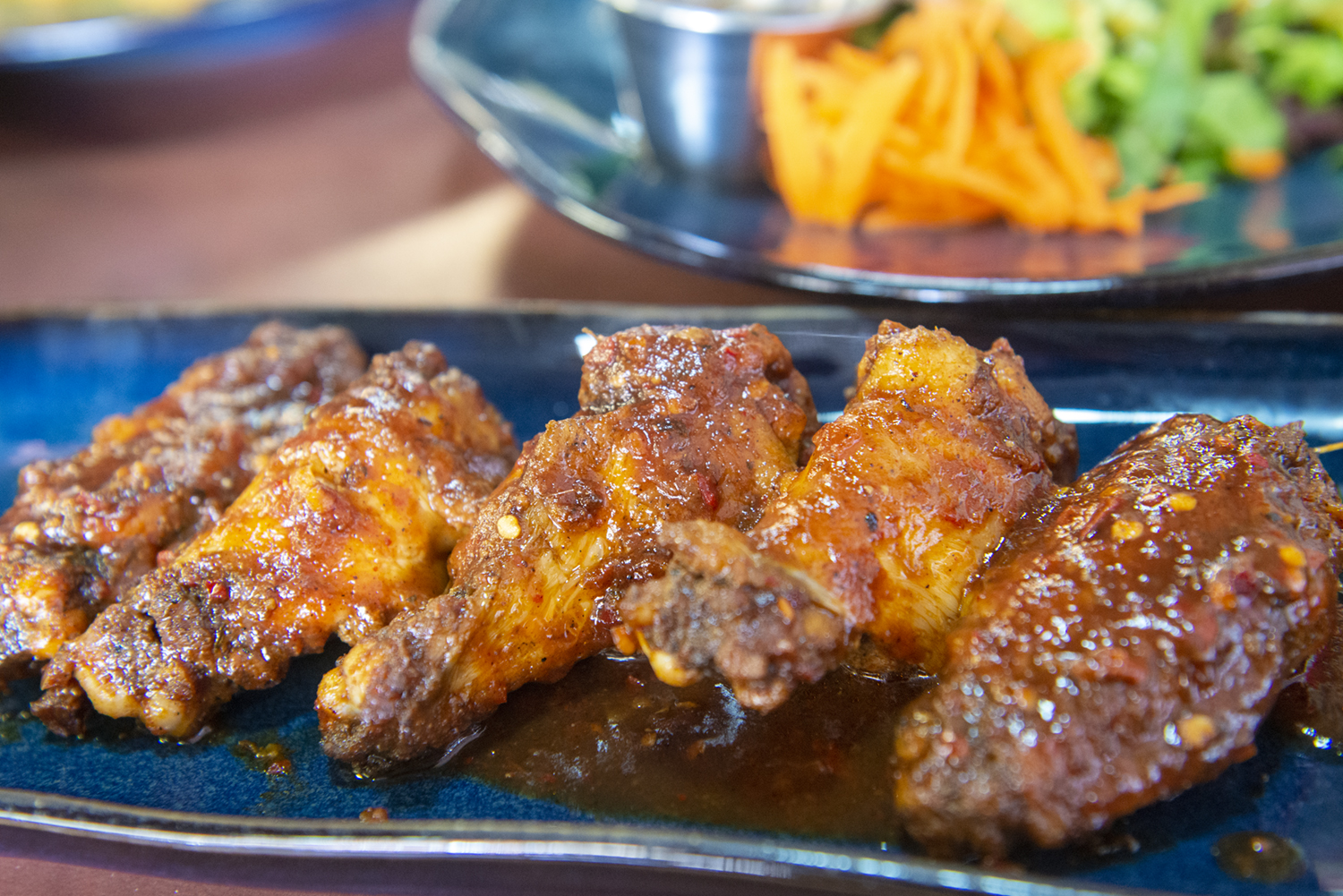
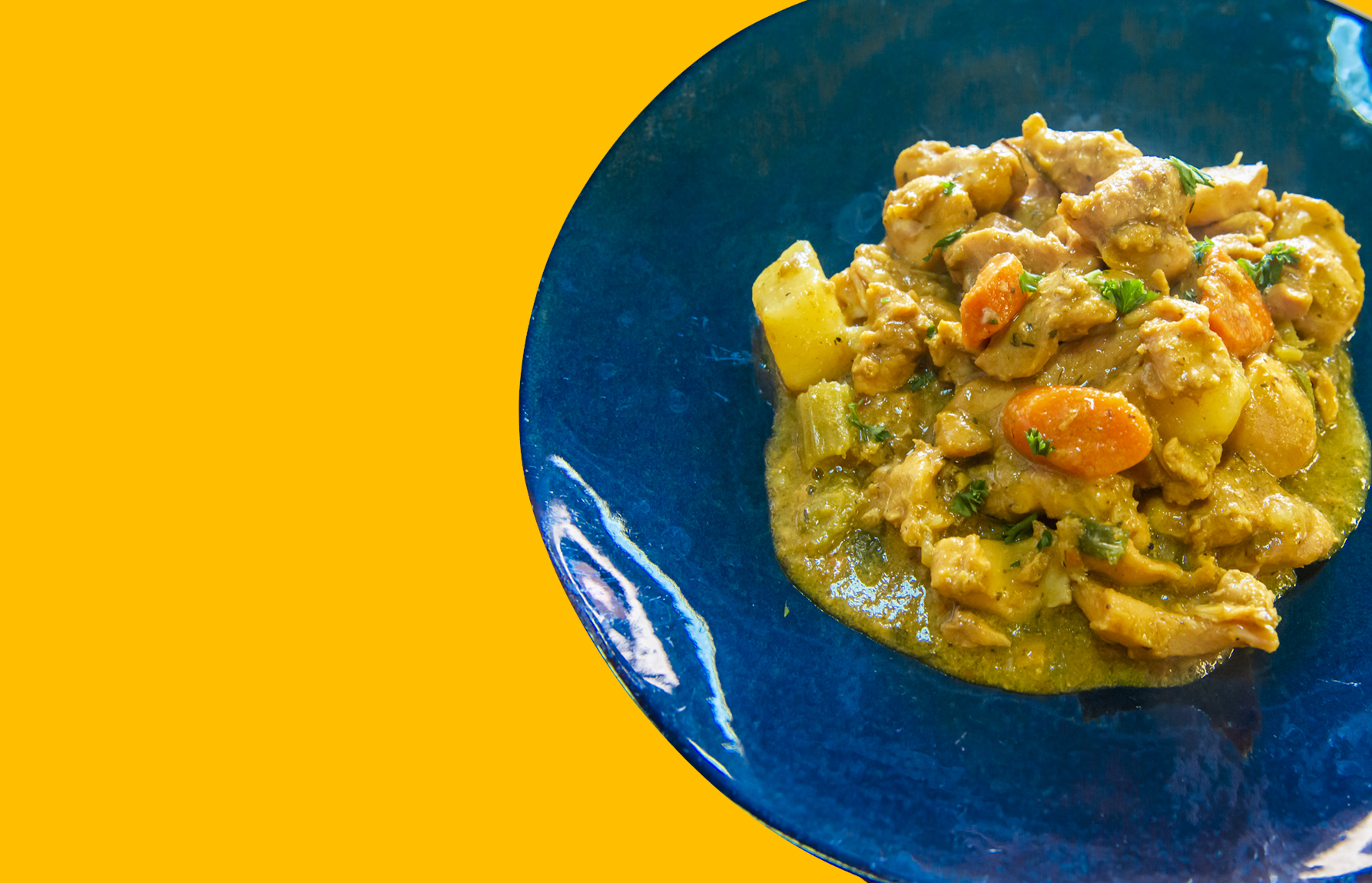
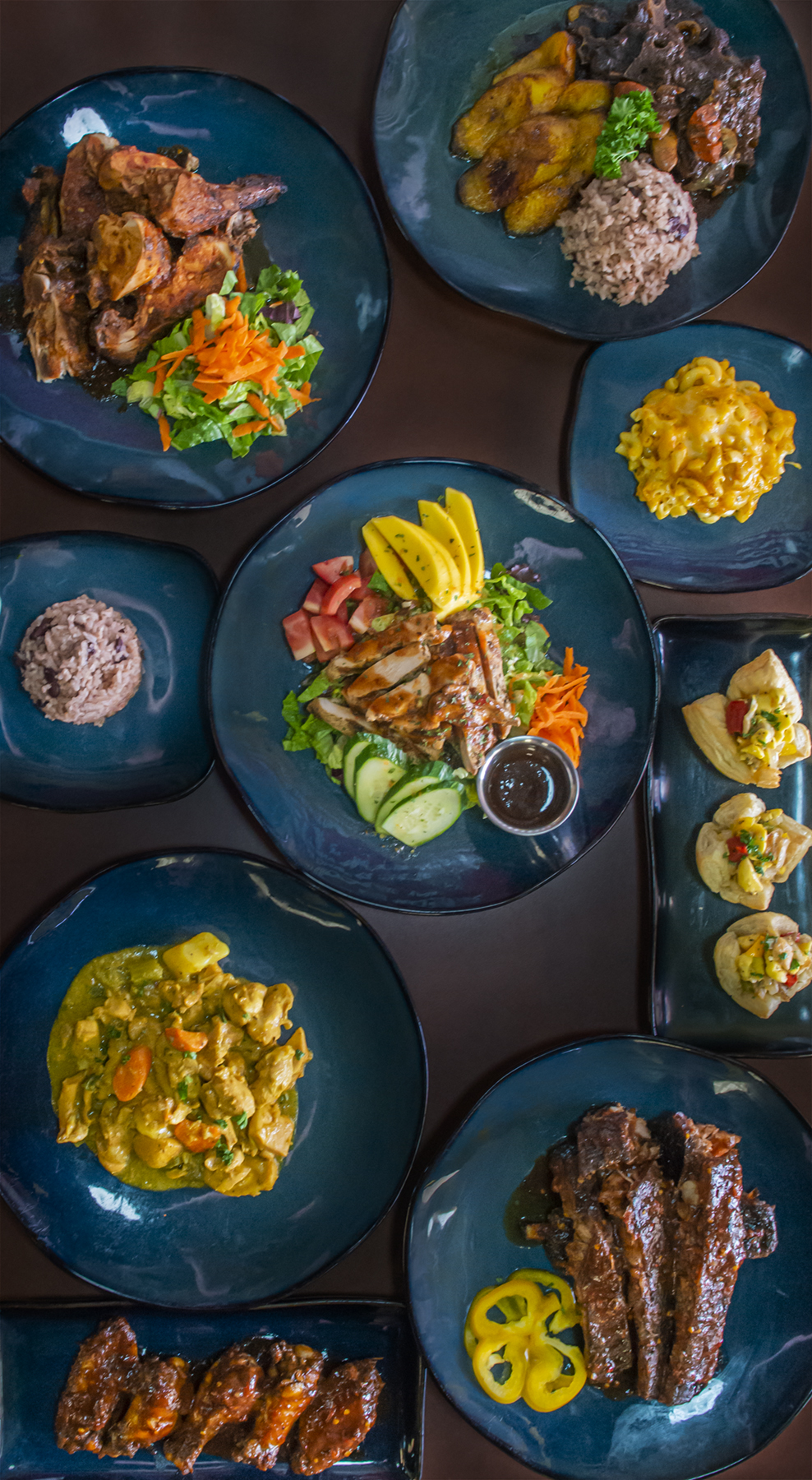
There is no single Caribbean kitchen. That is the first truth worth holding onto.
People often speak about "Caribbean food" as though it were one cuisine with a tidy set of flavors and a short menu of famous dishes. Spend time in Jamaica, Trinidad, Puerto Rico, Barbados, Haiti, Cuba, Dominica, Guadeloupe, or the Dominican Republic, and that idea falls apart quickly. What emerges instead is something richer and more accurate: a cooking tradition shaped over centuries by migration, forced displacement, trade, survival, memory, and local abundance.
Seen through the lens of a caribbean food centennial, the story becomes especially vivid. A hundred years is long enough to watch recipes travel from hearth to street stall, from plantation yard to restaurant dining room, from family ritual to national identity. It is also short enough that many techniques, seasonings, and habits still live in memory. Grandparents explain why cassava bread mattered. Market vendors still know which yam holds up best in soup. Fish cooks can tell, from smell alone, whether a pot of court-bouillon is nearly ready.
Caribbean cooking is rooted in adaptation, but adaptation should not be mistaken for compromise. Some of the region's most beloved foods came from difficult histories and became expressions of pride. Others arrived with migrants who remade familiar dishes using unfamiliar ingredients. The result is one of the most layered food cultures in the world, and one that rewards close attention.
What "roots" really means in Caribbean cooking
When people talk about the roots of Caribbean cooking, they often mean origin. That is part of it, but not the whole picture. Roots also means methods, ingredients, seasonal logic, and the social life of food. It means what people planted because it would survive storms, drought, or poor soil. It means what they salted, smoked, pickled, pounded, or stewed because refrigeration was limited or absent. It means what could stretch to feed a large family on a tight budget without losing flavor or dignity.
You see those roots in the architecture of the meal. Ground provisions such as yam, cassava, eddoes, dasheen, sweet potato, and green banana are not side notes. They are foundational. Rice appears in many islands as a daily staple, but the forms vary widely, from peas and rice to pelau to arroz con gandules. Protein can be fish, goat, chicken, pork, shellfish, salt cod, or beans, depending on geography, religion, economics, and occasion. Heat matters in some places more than others, but seasoning matters everywhere.
Just as important, roots are not frozen in the past. Caribbean food stays alive because cooks continue to interpret inheritance rather than simply preserve it. That is why two households on the same island may cook the same dish differently and both be absolutely right.
Before the colonial table
Long before sugar transformed the region, Indigenous peoples shaped the foodways of the Caribbean. Their contributions are sometimes reduced to a few ingredients, but their influence runs deeper than that. Cassava, maize, peppers, sweet potatoes, and various methods of grating, drying, roasting, and preserving were central. Cassava bread remains one of the clearest living links to that world, especially in places where it is still made with care and not treated as a museum object.
The Indigenous practice of using local starches as the backbone of the meal set a pattern that would endure, even as other peoples arrived. So did a respect for what the land and sea could reliably provide. In island cooking, reliability matters. Food traditions are built not only on preference but on what grows, what stores well, and what can be gathered or caught within reach of home.
That older logic still echoes in caribbean food centennial modern kitchens. A cook who reaches for cassava, green banana, or breadfruit is not simply making a rustic choice. They are working within a deep regional grammar.
African knowledge changed the Caribbean table
Any serious account of Caribbean food has to center African influence, not treat it as a footnote. Enslaved Africans brought agricultural knowledge, cooking methods, seed memories, and taste preferences that altered the region permanently. The use of okra, one-pot stews, fritters, greens, rice cookery, spice layering, and techniques for making modest ingredients deeply satisfying all bear that imprint in different ways across the islands.
You can taste this history in dishes that rely on patience rather than luxury. Think of callaloo in its various forms, slow-cooked beans, soups thickened by starch and vegetables, or salt fish transformed with onion, pepper, thyme, and oil into something vivid. The brilliance lies not only in flavor but in judgment. Good Caribbean home cooking knows how to build body and aroma without waste.
There is also an ethical dimension to this history. Some of the foods now celebrated on menus began as necessity cooking under brutal conditions. A centennial look at Caribbean cuisine should not romanticize hardship. It should recognize how culinary excellence often emerged from systems designed to deny people comfort and choice. The achievement of those cooks was enormous. They made cuisine where others imposed deprivation.
European frameworks, local transformations
Spanish, French, British, Dutch, and other European colonial powers left a visible mark on Caribbean food, but rarely in a pure form. Techniques, ingredients, and naming conventions crossed into the region, then changed. Stews became creole stews. Salted cod, introduced through Atlantic trade, entered everyday cooking so thoroughly that many people now think of it as inherently local. Pork preparations shifted according to island preference, available cuts, and festive use. Baking traditions expanded through colonial households, military presence, and urban trade.
Yet the Caribbean did not simply imitate Europe. It absorbed, edited, and seasoned it. A meat pie in one territory becomes distinctly island-made through pepper, herbs, crust style, or serving context. A French-style fricassee becomes something altogether different once local lime, allspice, scotch bonnet, or annatto enters the pan. Even where the skeleton of the dish looks European, the palate often belongs entirely to the Caribbean.
That process is one reason the region's food resists oversimplification. The same dish can carry several histories at once.
The Indian, Chinese, and Levantine contributions
After emancipation, indentured laborers from India arrived in several Caribbean colonies, especially Trinidad and Tobago, Guyana, Jamaica, and Suriname. Their impact on regional food has been profound. Curry became not just an imported flavor profile but a distinctly Caribbean language. Roti evolved into one of the clearest examples of culinary integration, with fillings, wrapping styles, and spice balances that differ meaningfully from South Asian originals. Channa, doubles, curried goat, curried duck, aloo pie, and countless home dishes speak to generations of adaptation.
Chinese migrants also shaped Caribbean food, especially in urban areas. Their influence shows up in restaurant culture, stir-fry techniques, noodle dishes, soy-based seasonings, and the emergence of hybrid comfort foods that now feel inseparable from local eating. In many islands, the Chinese shop or takeaway became part of daily life, especially in the twentieth century.
Levantine, especially Syrian and Lebanese, communities added another layer through commerce, baking, hospitality culture, and cross-pollination in cities and towns. Caribbean cuisine, viewed honestly, is not a closed heritage box. It is a living archive of encounter.
A century of change, from yard fire to restaurant pass
If you caribbean food centennial narrow the frame to roughly the last hundred years, the caribbean food centennial story becomes less about broad origins and more about transformation. Several changes stand out.
First, urbanization altered the rhythm of cooking. As more people moved to towns and cities, daily food had to adapt to time pressure, wage labor, and purchased ingredients. Some long-simmered dishes remained, but street food and quick-prep meals gained greater importance. Fried snacks, bake-and-saltfish, patties, doubles, and boxed lunches thrived because they fit modern schedules without losing local character.
Second, refrigeration and imported goods changed shopping habits. Salted and dried ingredients did not disappear, but their role shifted. Tinned milk, canned corned beef, flour, oil, and imported rice became common in many households. These items made some dishes easier and more accessible, but they also changed older patterns based on fresh ground provisions, backyard livestock, and seasonal fish.
Third, migration spread Caribbean food far beyond the region. Families moving to London, Toronto, New York, Miami, and elsewhere carried recipes with them. Once abroad, they adapted again. Scotch bonnet might be harder to find. Certain yams might be replaced. Saltfish brands changed. Yet diaspora kitchens preserved remarkable continuity. Anyone who has eaten Sunday soup in a Caribbean household overseas knows that distance does not easily thin tradition.
Finally, tourism put pressure on the public face of Caribbean food. Hotel buffets and resort menus often reduced local cuisine to a few recognizable items: jerk chicken, rum cake, fried plantain, maybe a curry, maybe a rice dish. Those foods are legitimate, but the narrowing effect is real. Many travelers leave thinking they have tasted the Caribbean when they have sampled only its postcard dishes.
The ingredients that keep showing up
Across the region, certain ingredients appear again and again, though never always in the same way. Their recurrence tells you something about the enduring structure of Caribbean cooking.
- thyme, scallion, onion, garlic, and hot pepper form the backbone of countless savory dishes
- allspice, ginger, nutmeg, cinnamon, and clove link the region to old spice routes and local cultivation
- coconut, whether as milk, grated flesh, or oil, moves between savory and sweet with ease
- plantain, breadfruit, cassava, yam, and rice provide the sustaining starches
- saltfish, fresh fish, beans, chicken, goat, and pork anchor many everyday and celebratory meals
What matters is not the list itself but the combinations. Thyme with coconut milk creates one effect, thyme with browned sugar and hot pepper another. Green seasoning in Trinidad is not identical to epis in Haiti, nor to sofrito in Puerto Rico, nor to a Jamaican blend of scallion, thyme, garlic, and scotch bonnet. Similar ingredients, different identities.
Why seasoning is more important than heat
People unfamiliar with Caribbean food often reduce it to spiciness. That misses the point. Heat can be important, even thrilling, but seasoning is the deeper principle. A cook may use hot pepper to sharpen and perfume rather than to overwhelm. Scotch bonnet, for example, brings fruitiness as well as fire. In some households, whole peppers are added to a pot for aroma and removed before serving. In others, pepper sauce sits on the table so each person can decide.
Good Caribbean seasoning has layers. Fresh herbs offer brightness. Onion and garlic provide depth. Citrus or vinegar adds lift. Browning, marination, and slow cooking create complexity. In some cuisines, the seasoning happens mostly before cooking. In others, it develops during the simmer. Either way, the goal is balance, not brute force.
This is where experienced cooks often separate themselves from casual imitators. The difference between a decent curry and an unforgettable one is rarely just the powder or paste. It is timing, fat management, how the aromatics are cooked out, whether the meat had time to take on flavor, whether the potatoes were added early enough to thicken the sauce but late enough to keep shape.
Food for ordinary days, food for serious occasions
One of the most revealing things about Caribbean cuisine is the gap, and sometimes the overlap, between daily food and ceremonial food. A weekday meal might be rice, stewed chicken, beans, and salad. It might be provisions and saltfish, or a quick fish broth, or fried bake with something savory tucked inside. These are practical meals, shaped by work, school, weather, and budget.
Then there are the dishes that signal gathering. Soup on Saturdays in some places. Sunday rice and peas. Christmas black cake, sorrel, pastelles, ham, or pepperpot depending on island and household. Easter bun and cheese. Carnival street food that must be eaten standing up, with music nearby and napkins that fail almost immediately.
Those occasions matter because they preserve old methods. People who no longer grate coconut by hand every week may still do it for a holiday recipe. Families who buy bread daily may still make a ceremonial sweet bread from scratch because the ritual itself carries value.
I have seen this in community kitchens and home kitchens alike. The recipe is important, but the atmosphere is often what keeps it alive. Someone tastes the pot and says it needs more thyme. Another argues for more black pepper. An aunt insists the dough rests longer. No one writes anything down, yet the dish comes out the same in spirit year after year.
The street tells the truth
If you want to understand Caribbean food honestly, pay attention to the street. Restaurants can be excellent, especially those run by cooks who respect both technique and tradition, but the street often shows what people truly crave. It shows what can be cooked fast, eaten hot, carried by hand, and sold at a price that makes sense. It also shows how food changes in real time.
A fish fry on a beach, a doubles vendor before sunrise, a patty shop at lunch, a woman selling coconut drops outside a market, a man turning jerk over pimento wood smoke, these are not side stories. They are central chapters in the caribbean food centennial. Street food captures economy, ingenuity, and appetite all at once.
It also captures regional specificity. A fried snack in one island may have a cousin elsewhere, but texture, filling, pepper level, and even the expected time of day can differ sharply. Those details matter. They are the difference between generic "island food" and cuisine with a real address.
What outsiders often misunderstand
Several misconceptions keep surfacing whenever Caribbean cooking enters mainstream food media. One is that it is rustic in a simplistic sense, as though complexity belongs only to formal European cuisines. Another is that it is interchangeable across islands. A third is that authenticity means stasis, that a dish is only real if it has not changed.
All three ideas collapse under scrutiny. Caribbean cooking is technically sophisticated. It relies on seasoning control, texture judgment, preservation logic, starch management, and a sharp sense of timing. It varies intensely by island, class, geography, religion, and family lineage. And it has always changed. Change is not a betrayal of Caribbean food. Change is part of its bloodstream.
What deserves protection is not a rigid museum version of recipes, but the culinary intelligence behind them. If a cook in the diaspora uses a substitute because the original ingredient is unavailable, that may still be an authentic act if the substitution respects flavor, function, and context.
How to taste the roots without flattening the culture
For readers who want to explore Caribbean cuisine more deeply, the best approach is slower and more specific than many travel guides suggest.
- focus on one island or territory at a time rather than treating the whole region as a single menu
- ask how a dish is seasoned, not just what it is called
- learn the role of starches and side dishes, because they often explain the meal better than the centerpiece
- seek out home-style cooking, market food, and community events, not only polished restaurant versions
- expect disagreement, because variation is part of the tradition, not evidence of error
This approach leads to better eating, but also better understanding. You start to notice why one cook swears by green seasoning while another insists on a dry spice rub first. You notice where coconut softens a dish and where acidity drives it. You notice that some meals are built to comfort, others to impress, others to sustain hard labor.
The centennial perspective matters now
A hundred-year view of Caribbean food does more than satisfy historical curiosity. It helps explain current debates about identity, health, agriculture, and tourism. Many islands today wrestle with imported food dependence, loss of farmland, rising diet-related illness, and the pressure to package culture for visitors. Looking backward can sharpen present choices.
Traditional Caribbean cooking, at its best, contains tools for resilience. It knows how to use local produce fully. It respects legumes, root crops, fish, herbs, and long-developed preservation methods. That does not mean every inherited habit is nutritionally ideal or that nostalgia should guide policy. Some modern concerns are real, including excess sodium, sugar, and ultra-processed imports. Still, there is wisdom in the older balance of local starches, pulses, greens, and carefully seasoned proteins.
There is also economic wisdom in taking Caribbean food seriously as intellectual and cultural property. Too often, regional dishes are borrowed, renamed, softened, or commercialized without context. A centennial perspective restores context. It reminds us that these foods come from specific people, places, and histories.
A living inheritance
Caribbean cooking endures because it remains useful, pleasurable, and emotionally exact. It feeds everyday hunger and ceremonial longing. It turns scarcity into craft and abundance into celebration. It speaks in smoke, pepper, coconut, thyme, citrus, cassava, rice, and memory.
To discover the roots of Caribbean cooking is not to dig toward a single origin point and stop there. It is to recognize a network of roots, Indigenous, African, European, Indian, Chinese, Levantine, and deeply local, tangled together beneath the surface. Over the past century, those roots have produced new branches without losing their hold.
That is the real promise of the caribbean food centennial idea. It invites us to look at the last hundred years and see not a diluted tradition, but a resilient one. The pot changed. The fire changed. The markets changed. The migrations changed. Yet the food kept carrying history forward, one meal at a time.
Reggae Pot Jamaican Grill
Address: 7562 S University Blvd Unit C, Centennial, CO 80122
Phone: (303) 997-5623
FAQ About caribbean food centennial
What Jamaican dishes can I try in Centennial?
Reggae Pot Jamaican Grill serves Jamaican specialties such as jerk chicken, stewed oxtail, curry goat, and ackee and saltfish. Check the current menu for availability.
What is ackee and saltfish?
It is Jamaica’s national dish. The restaurant prepares ackee with salted cod, onions, thyme, tomatoes, garlic, black pepper, and pimento.
Can I order Jamaican food for pickup in Centennial?
Yes. Choose the Centennial location at 7562 S University Blvd Unit C when placing a takeout order.