Entry · Ref XNKANH5D
Celebrating Heritage Through the Caribbean Food Centennial
- Posted
- 2026-11-19
- Last amended
- 2026-11-19
- Account
- @rivervyaf265
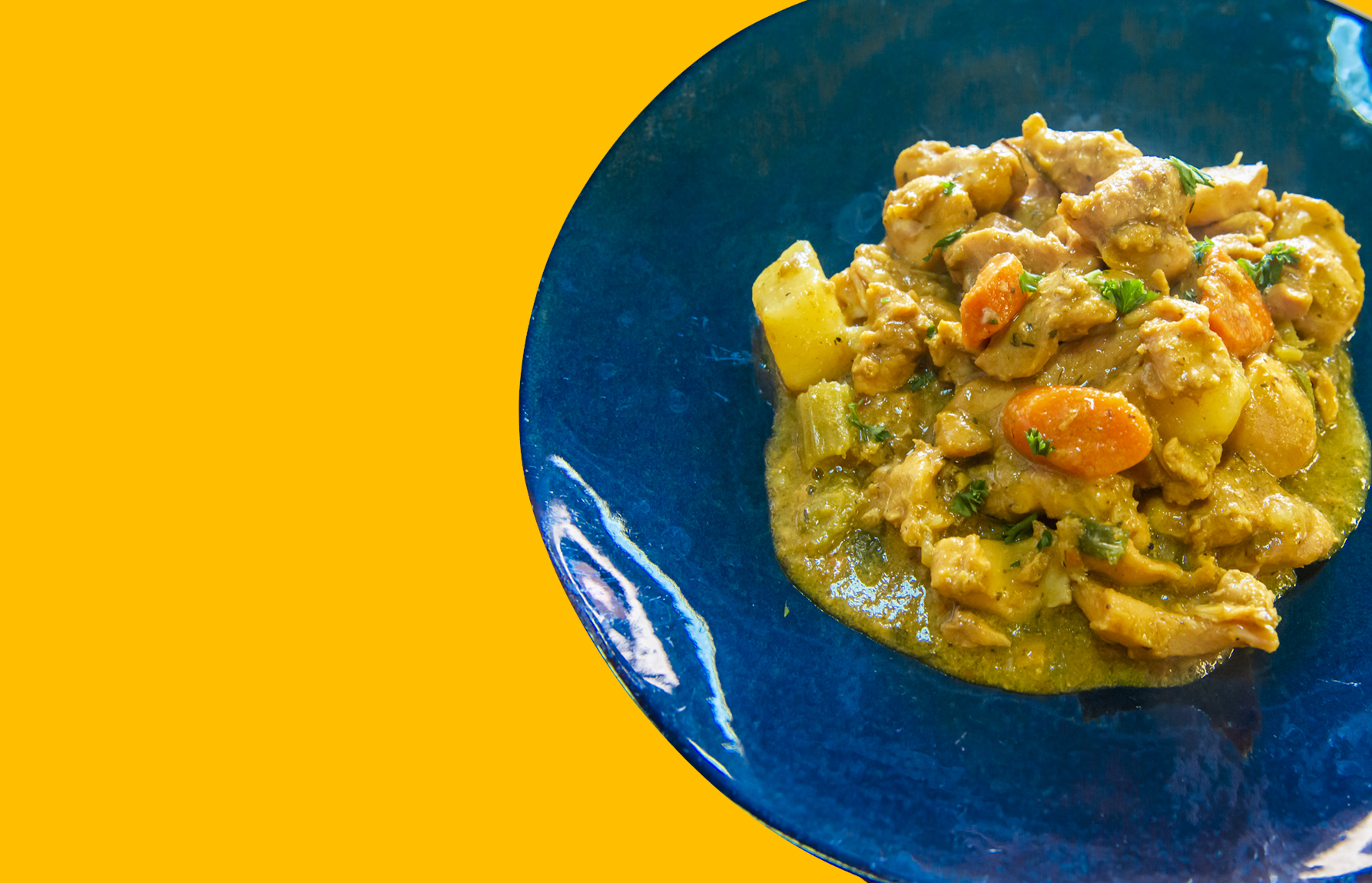

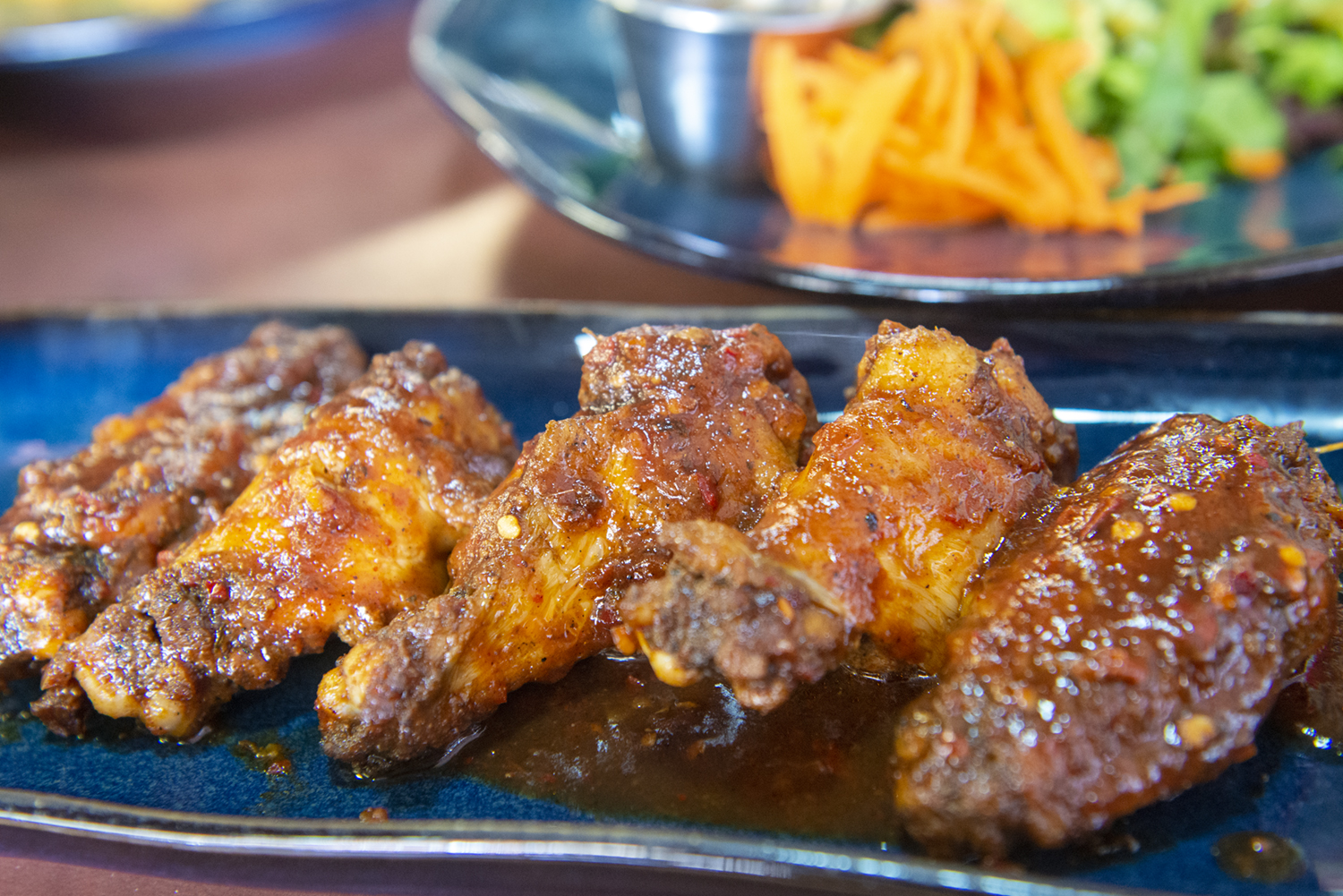
There are anniversaries that pass with speeches and banners, and then there are anniversaries that live in the kitchen. A food centennial belongs to the second kind. It asks people not just to remember, but to taste, cook, gather, and argue a little over whose version is the caribbean food centennial right one. That is what gives the idea of a caribbean food centennial such force. It is not a polite nod to the past. It is a working celebration of memory, migration, survival, and creativity, all carried in pots, wrapped in leaves, stirred into stews, and pressed into dough by hands that learned from earlier hands.
Across the Caribbean, food has always done more than feed. It has marked baptisms and funerals, Saturday market mornings and Christmas Eve, crop time, Carnival, emancipation celebrations, and ordinary Sundays when a whole family shows up expecting a full plate. The region’s cooking tells a story of Indigenous knowledge, African resilience, European colonial influence, Indian indentureship, Chinese migration, Syrian and Lebanese trading networks, and local adaptation to island climates and limited supplies. A centennial celebration built around that reality can become something rare, a public event that feels intimate, because everyone arrives carrying a recipe, a memory, or at least a strong opinion.
A centennial worth tasting
When people hear the word centennial, they often picture archives, official ceremonies, maybe a commemorative stamp. Food shifts the emphasis. It grounds history in things that can still be touched and smelled. A curry simmering in Trinidad, a pot of rice and peas in Jamaica, a bowl of callaloo in Grenada, souse in Barbados, oil down in Grenada, doubles on a morning street corner, cassava bread in Guyana or Dominica, flying fish served with cou cou in Barbados, stew peas, pepperpot, accras, roti, fritters, black cake, sorrel, tamarind balls, guava duff, conch salad, mofongo, pelau, run down, and a dozen other dishes all point to a truth historians know well: culture survives best when people keep practicing it.
That is why the caribbean food centennial matters. It creates a reason to make heritage visible without flattening it into nostalgia. Good heritage work is not sentimental. It is specific. It knows the difference between a festival dish and an everyday one. It knows why one island uses more thyme, another leans on culantro, another cooks with annatto, another depends on cassava because wheat was never the natural foundation. It understands that recipes are not fixed documents. They move with economics, climate, migration, and taste.
I have seen this at community food events where elders speak about a dish as if they are speaking about a relative. Measurements become relational rather than technical. A pinch is not a unit. It is an inheritance. Someone says the coconut milk must be fresh, not canned, and another person quietly admits canned milk saves time when you are cooking for fifty. Both are right in their own context. Heritage lives in that tension between ideal practice and real life.
The Caribbean table as a map of history
The most compelling way to understand Caribbean cuisine is to see it as a historical record written in ingredients. Take a single plate of pelau, for example. Rice arrived through colonial trade routes and expanded under plantation economies. Pigeon peas and other legumes became staples because they are practical, nourishing, and adaptable. Browning sugar for color and depth reflects local technique shaped by available sweeteners. Salted meat tells another story, one tied to preservation and trade. The seasoning base, often green herbs, scallion, thyme, garlic, pepper, is the unmistakable signature of cooks who built big flavors from what was at hand.
The same layered history appears in Jamaican patties, which carry traces of Cornish pasties and local seasoning traditions, or in roti, which traveled with Indian indentured laborers and then transformed in Caribbean kitchens into something distinct from its South Asian relatives. Even breadfruit, now deeply associated with many islands, carries the complicated legacy of colonial botany and forced labor systems. Ackee, central to Jamaica’s best-known national dish, has roots in West Africa. Callaloo shifts shape from island to island. In some places it means the leafy greens themselves, in others a finished dish. That kind of regional variation is exactly what a serious celebration should highlight rather than smooth over.
A centennial event that handles food well makes these histories legible without turning dinner into a lecture. The right format lets people feel the links for themselves. One bite of cassava pone or coconut bake can open a conversation about precolonial ingredients, survival agriculture, and the long afterlife of local staples. Children may not care about migration theory, but they will remember that their grandmother grated cassava by hand and that everyone in the kitchen warned them not to scrape their knuckles.
Why the kitchen is one of the strongest archives we have
Written archives in the Caribbean are often incomplete, filtered through colonial institutions, or detached from the daily lives of ordinary people. Kitchens preserve another sort of record. They carry methods not always written down, seasonal habits, substitutions born of scarcity, and ceremonial foods tied to events the official record barely noticed. Ask enough cooks how they learned to make black cake, pepperpot, or pastelles, and very few will mention a cookbook first. Most learned by watching, assisting, tasting, and being corrected.
That process matters. It means the archive is embodied. You know the dough is ready because of how it feels under the palm. You know the coconut has cooked down enough by the sound of the pot. You know when to add the green seasoning because the onions have reached the right sweetness, not because a timer told you so. These are refined forms of knowledge, not quaint habits. Professional kitchens rely on sensory judgment all the time. Home cooks in the Caribbean have been using that judgment for generations.
For a caribbean food centennial, honoring those methods is as important as serving the finished dishes. Too many heritage events display food but fail to reveal technique. That is a mistake. A pot on a table is one thing. Watching someone wrap banana leaves, grate nutmeg fresh, knead coconut bread, or roast breadfruit over open flame gives people access to the living intelligence behind the plate.
Not every memory is sweet
Food heritage can tempt organizers into presenting a polished version of the past. The Caribbean deserves better than that. Some of its most cherished dishes were shaped by brutal conditions: enslavement, indenture, extractive plantation economies, and generations of households learning to stretch limited ingredients. Saltfish became common partly because it was cheap, transportable, and useful in systems that did not prioritize feeding workers well. Provision grounds mattered because people had to create food security where formal structures did not. Offal dishes, one-pot meals, and preserved foods often reflect ingenuity under pressure.
A meaningful centennial should make room for that truth. Doing so does not diminish the food. It deepens respect for it. There is dignity in acknowledging that many beloved dishes emerged from constraint and were transformed into expressions of skill and hospitality. Anyone who has watched a grand feast emerge from what looked like modest ingredients knows this instinctively. Resourcefulness is one of the central Caribbean culinary arts.
This is also where judgment matters. There is a fine line between telling hard truths and reducing a cuisine to struggle. Caribbean cooking is not merely a cuisine of survival. It is also a cuisine of abundance, ceremony, luxury, experimentation, and joy. Think of a Christmas table crowded with ham, black cake soaked in rum, ginger beer, sorrel, sweet bread, roast meats, and enough side dishes to feed neighbors who never announced they were coming. Think of a fish fry where the seasoning is so exact that the simplest ingredients taste extravagant. The heritage lies in both realities.
The role of markets, street vendors, and home cooks
Ask people where they first understood Caribbean food, and many will not say a restaurant. They will say a market, a roadside stall, a grandparent’s yard, or a family gathering where someone handed them a spoon and told them to stir. Formal dining has its place, but much of the region’s food culture thrives in informal spaces. That matters for any centennial celebration because authenticity is not just about ingredients. It is about setting, pace, and social exchange.
Markets offer one kind of knowledge. They teach seasonality, price shifts, local preferences, and how certain produce should look and smell before you buy it. Vendors will tell you which mangoes are best for chow, which coconuts are ideal for grating, or whether the dasheen leaves are tender enough for callaloo. Street cooks offer another kind of authority. They know volume, repetition, customer expectation, and the small efficiencies that keep food excellent under pressure. Home cooks anchor everything else. They are where dishes remain personal rather than standardized.
A strong centennial event should not privilege only chefs with media visibility. The region’s culinary memory is broader than the restaurant world. Some of the best pepper sauce I have ever tasted came in reused glass jars with handwritten labels. Some of the finest curries I have eaten came from temporary setups at community events, where the cook cared more about balance than presentation. If heritage is the point, these voices belong at the center.
How a caribbean food centennial can be done well
The difference between a thoughtful celebration and a shallow one usually comes down to design. A weak event treats food as decoration. A strong one treats it as a source of knowledge, identity, and economic opportunity. The most effective centennial programs combine tasting with context and participation. They make room for pleasure, but they do not stop there.
A practical approach often includes live cooking, oral history recording, youth engagement, and opportunities for small producers to sell directly. That last point deserves emphasis. Food heritage cannot survive on applause alone. Farmers, spice blenders, bakers, fishers, sauce makers, caterers, and market vendors need viable income if culinary traditions are going to remain active rather than ceremonial.
The most useful planning principles are simple:
- Center regional diversity rather than pretending the Caribbean is one flavor profile.
- Give elders and community cooks visible roles, not token appearances.
- Pair dishes with short, grounded stories about origin, adaptation, and local meaning.
- Create space for younger cooks to reinterpret tradition without being dismissed.
- Pay participants fairly whenever budgets allow, because cultural labor is still labor.
These points sound straightforward, but they are often neglected. I have seen events spend heavily on staging and very little on documenting recipes or compensating the people whose knowledge drew the crowd in the first place. A centennial should leave something behind, a recipe archive, recorded interviews, school partnerships, apprenticeships, or a vendor network that continues past the final day.
The question of authenticity, and why it is usually asked badly
No topic sparks faster debate in Caribbean food circles than authenticity. It can be a useful concept, but only when handled carefully. Too often it becomes a gatekeeping tool that ignores geography, migration, and class. One family’s version of a dish may differ sharply from another’s not because one is false, but because ingredients, income, and local custom shaped different traditions.
Take pepperpot. In Guyana, it often refers to a dark, slow-cooked dish associated with cassareep and Christmas, rich with history and unmistakable in flavor. In other places, the word may suggest something else entirely. Roti varies by filling, texture, and style. Macaroni pie can be firm, creamy, sharp with mustard, heavily cheesed, or more restrained. Black cake recipes can lean darker, fruitier, denser, or more boozy, depending on household preference and budget. None of that automatically makes a version less real.
That said, not every adaptation deserves a free pass. There is a difference between variation and erasure. If a dish is stripped of the techniques or ingredients that define its character, then calling it by the original name can mislead people. Good judgment requires asking what the dish is trying to preserve. Flavor profile? Method? Occasion? Ingredient logic? Cultural meaning? A centennial celebration should welcome debate here. Heritage is not protected by silence. It is protected by informed conversation.
Teaching the next generation without turning food into homework
One of the best sights at a food heritage event is a child doing real kitchen work. Not posing for a photograph, but shelling peas, washing thyme, learning to fold a dough, or standing close enough to understand why adults keep warning about splattering oil. Skills transfer through participation. If younger generations experience traditional dishes only as finished products bought at special events, a great deal is lost.
Schools can play a role, but the most effective teaching usually happens in mixed-age settings where stories and technique travel together. A teenager helping prepare pastelles before Christmas learns more caribbean food centennial than a recipe. They learn timing, delegation, family diplomacy, and the practical mathematics of feeding many people. They also learn that heritage foods take labor. That labor deserves respect.
For a centennial, youth programming should avoid treating culture as a museum exhibit. The better approach is to let young people cook, interview elders, document neighborhood food histories, and even explore newer expressions of Caribbean cuisine. A student who makes a traditional coconut tart one week and a contemporary breadfruit gnocchi the next is still participating in the same culinary continuum, provided they understand the roots of what they are changing.
Diaspora kitchens are part of the story
Any serious discussion of Caribbean food over the last century has to include migration. Caribbean communities in London, Toronto, New York, Miami, Amsterdam, and elsewhere have preserved recipes under very different conditions. Ingredients changed. Climate changed. Work schedules changed. Yet people found substitutes, built import businesses, grew herbs in backyards or window boxes, and recreated ritual meals with remarkable persistence.
Diaspora cooking often becomes more deliberate because nothing can be taken for granted. If Scotch bonnet peppers are hard to find, you plan ahead. If fresh breadfruit is seasonal or imported at high cost, you treat it differently. If sorrel appears only around the holidays, it becomes an even stronger seasonal marker. Sometimes migration preserves older styles that later shift in the islands themselves. Sometimes it encourages innovation. Both patterns are worth documenting.
A caribbean food centennial that includes diaspora voices becomes richer immediately. It reveals how food helps people remain legible to themselves when everything around them changes. It also shows how Caribbean cuisine has influenced wider food cultures, from the normalization of jerk flavors in global markets to the spread of roti shops, patty bakeries, and rum-based desserts far beyond their original communities.
Tourism, branding, and the risk of flattening culture
There is undeniable economic potential in celebrating Caribbean food. Culinary tourism is a real market, and many destinations are trying to move beyond beach-only branding. That can be positive when done with care. Visitors who encounter real local food traditions often spend more broadly, seek out smaller businesses, and leave with a deeper understanding of place.
Still, tourism introduces pressures. Menus can become simplified for unfamiliar diners. Dishes may be sweetened, toned down, or renamed beyond recognition. Visual appeal can start to outrank flavor and context. Once a cuisine is marketed heavily, there is always a temptation to pick a handful of iconic dishes and let them stand in for everything. That is efficient branding, but poor heritage practice.
The better model presents visitors with range and specificity. It explains that Caribbean cuisine is not monolithic and that each island has internal regional differences as well. It invites curiosity rather than offering a caricature. If the centennial becomes a public platform, it should resist reducing the region to jerk, rum punch, and a generic notion of spice. Those are real elements, but they are a small fraction of the story.
Preserving flavor in a time of change
Climate pressure, import dependence, rising food costs, and changing labor patterns all affect Caribbean cooking today. Fisheries shift. Storms disrupt agriculture. Younger people may have less time for labor-intensive dishes. Convenience products can help households manage, but they also alter technique and taste. A centennial celebration should not pretend these pressures do not exist.
Instead, it can become a place for practical problem-solving. How do communities preserve traditional flavors when key ingredients become harder to source? Which heritage crops deserve renewed support? Can breadfruit, cassava, pigeon peas, and other resilient staples play larger roles in future food systems? What old preservation methods might still be useful? These are not abstract questions. They affect whether certain recipes remain common or become occasional demonstrations performed for memory’s sake.
Food heritage is strongest when it stays useful. If cooks can adapt without surrendering the core identity of a dish, traditions endure. I have seen this happen with substitutions that would once have caused protest but now make good sense, provided the cook understands what must remain unchanged. That is the kind of nuanced thinking a mature food culture develops over time.
More than a feast
At its best, the caribbean food centennial is not a themed buffet or a nostalgia exercise. It is an active, intelligent celebration of how people remember themselves. It honors the field and the market, the fishing boat and the street stall, the grandmother’s enamel bowl and the chef’s tasting menu. It leaves room for argument because food worth caring about always invites it. It tells the truth about hardship without letting hardship define the whole table. It makes room for pleasure, scholarship, business, and community at once.
Most of all, it recognizes that heritage survives through repetition. Someone must season the pot again next week. Someone must remember how long the fruit should soak for cake. Someone must know where to find the right leaves, how to grate the coconut, how to judge the heat of the pepper, how to stretch a meal for unexpected guests without making it feel stretched. These are not small things. They are the everyday mechanics of cultural continuity.
A hundred years is long enough to see what lasts. In Caribbean food, what lasts is not just a set of recipes. It is a way of making meaning through flavor, labor, and hospitality. Any centennial that understands that will do more than celebrate the past. It will help secure the next hundred years of the Caribbean table.
Reggae Pot Jamaican Grill
Address: 7562 S University Blvd Unit C, Centennial, CO 80122
Phone: (303) 997-5623
FAQ About caribbean food centennial
What Jamaican dishes can I try in Centennial?
Reggae Pot Jamaican Grill serves Jamaican specialties such as jerk chicken, stewed oxtail, curry goat, and ackee and saltfish. Check the current menu for availability.
What is ackee and saltfish?
It is Jamaica’s national dish. The restaurant prepares ackee with salted cod, onions, thyme, tomatoes, garlic, black pepper, and pimento.
Can I order Jamaican food for pickup in Centennial?
Yes. Choose the Centennial location at 7562 S University Blvd Unit C when placing a takeout order.